
“Counselors are asking, ‘What is an IEP? What do accommodations look like?’ They want to learn more because they want to support their campers.” - Michelle Stedman, Senior Youth Program Director

For many children, summer camp is a place to make friends, try new activities, and build confidence. For some campers, especially those with individualized education programs (IEPs), 504 plans, disabilities, learning differences or other support needs, a successful camp experience can also depend on thoughtful preparation and staff who are ready to adapt.
At the YMCA of Pierce and Kitsap Counties, that work starts with curiosity, care, and a willingness to learn.
During the first week of camp at the Lakewood Family YMCA, staff welcomed about 110 campers. The week included many of the moments that make camp feel like camp: relay races, music, teamwork, sportsmanship, and counselors helping campers find joy in both winning and losing. It also brought important conversations about how to support children with different needs.
For Senior Youth Program Director Michelle Stedman, those conversations are familiar. Coming from a licensed child care background, she said conversations about IEPs, 504 plans, and accommodations were already a part of her everyday vocabulary. As camp began, she saw counselors leaning into that learning too.
“Counselors are asking, ‘What is an IEP? What do accommodations look like?’” Michelle said. “They want to learn more because they want to support their campers.”
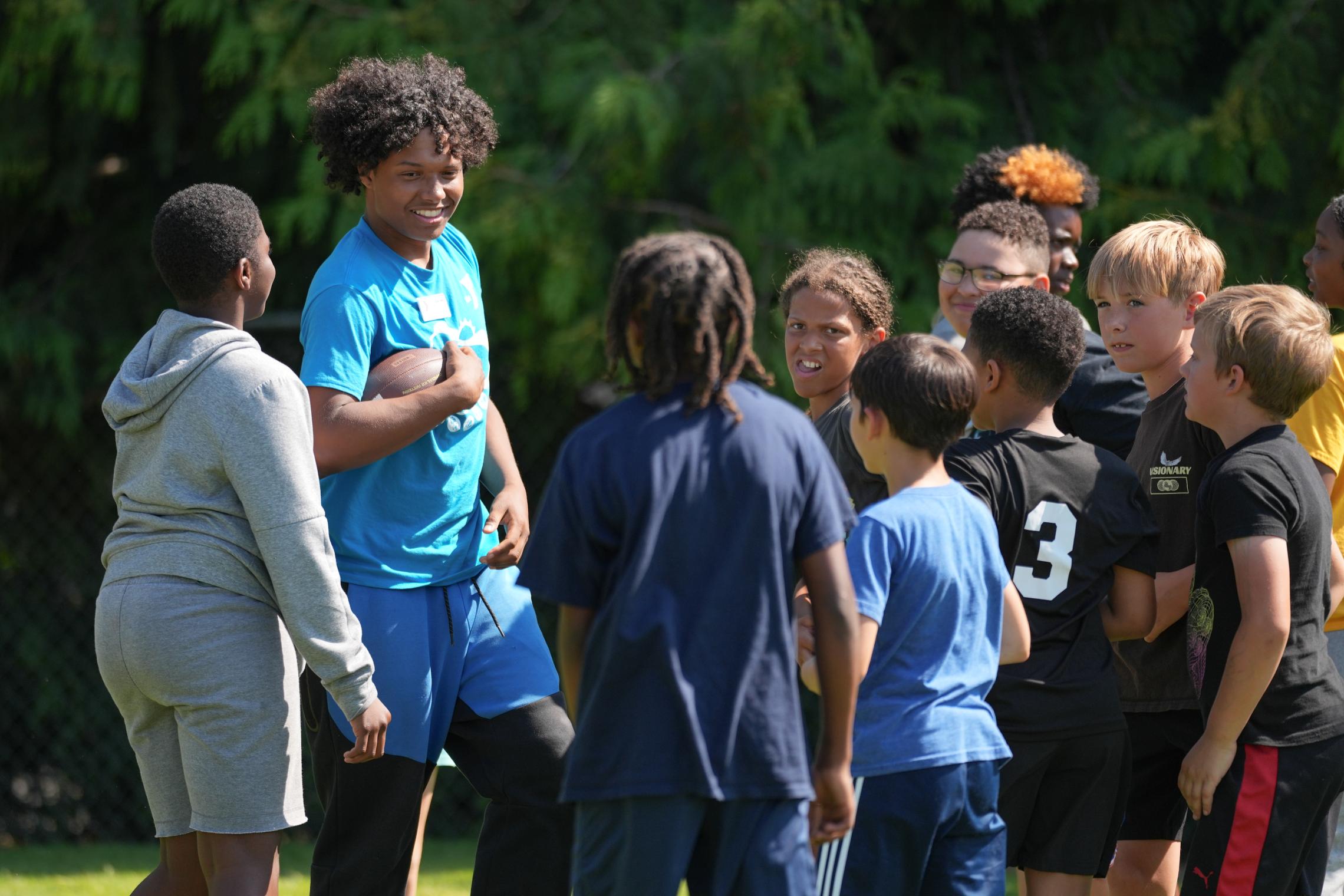
For a child with a support plan, learning difference, sensory need, or disability, small adjustments can make a big difference. A camper may need clearer instructions, extra time during transitions, a quiet moment away from the group or a different way to participate in an activity. Sometimes support looks like a planned accommodation. Sometimes, it looks like a counselor noticing when a child is struggling and taking the time to respond with patience.
At the Y, staff know that inclusion is not a one-size-fits-all approach. It requires listening to families, understanding each child's needs and creating an environment where campers feel safe, supported, and able to participate.
Michelle said one of the most encouraging parts of the week was watching counselors build confidence as leaders. As they got to know their campers, they became more comfortable asking questions, trying new approaches, and making adjustments in the moment. That growth helped campers feel supported, included, and ready to participate.
Behind each camp day at the Y is a team working together to make that possible. Across Pierce and Kitsap counties, returning counselors, CITs, coordinators, and leaders helped create a strong start to the summer. Their teamwork allowed staff to support one another while also staying focused on the needs of campers and families.
Summer camp can be loud, busy, and full of change. With the right support, it can also be a place where children are understood, included, and encouraged to grow.
For families, that kind of care can make all the difference.