
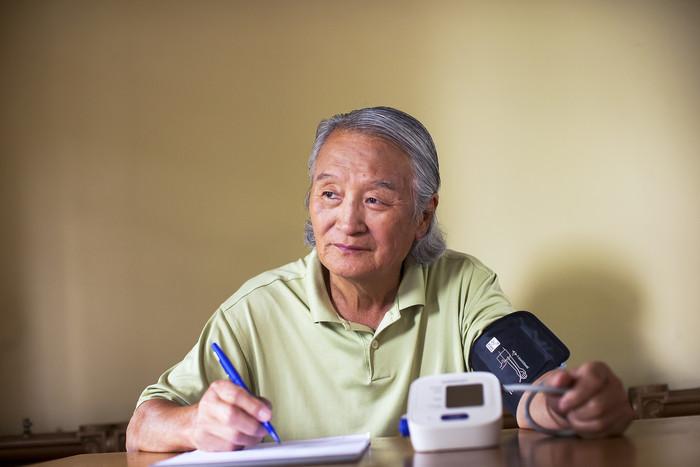
February is National Heart Health Month, and the time to focus on small, everyday choices that will support your lifelong wellness. Heart health isn’t just about avoiding illness; it's about understanding your body, building sustainable habits, and having access to support when you need it.
Many heart-related conditions, including high blood pressure, develop quietly over time. Learning to recognize risk factors in your life early and take small, consistent steps can make all the difference.
Why Monitoring Blood Pressure Matters
High blood pressure is one of the most common and most manageable risk factors for heart disease, yet many people don’t know their blood pressure numbers or understand what affects them. According to the Centers for Disease Control and Prevention, nearly half of adults in the United States have high blood pressure, yet only one in four has it under control.
Regular blood pressure monitoring helps individuals spot trends, understand triggers, and take action before complications develop. Education and consistency are the key to success, which is why the YMCA of Pierce and Kitsap Counties offers programs designed to build confidence and knowledge around heart health.
YMCA Blood Pressure Self-Monitoring Program
The YMCA Blood Pressure Self-Monitoring Program is a four-month health education program open to Y members and non-members. The program teaches participants how to correctly take and track their blood pressure, along with how foods and daily habits influence blood pressure levels.
To support meeting individuals where they are and break down access barriers, the YMCA has partnered with the Marvin Williams Center in Kitsap County and Mercy Housing in Pierce County.
By offering the program in trusted community settings, the Y and its partners are able to reduce common barriers such as transportation challenges, language differences, cultural barriers, and limited access to healthcare resources. This approach ensures the program reaches individuals who may otherwise be left out of traditional health and wellness systems.
During the program, participants work one-on-one with a Heart Healthy Ambassador to learn proper blood pressure monitoring techniques and are encouraged to measure and record their blood pressure at least two times a month, attend two personalized consultations per month, and take part in monthly nutrition education seminars. These touchpoints help participants stay engaged while building practical skills they can use long after the program ends.
The goals of the program include reducing blood pressure, improving blood pressure management, increasing awareness of triggers that elevate blood pressure, and enhancing knowledge to support healthier eating habits.
“This Program Saved My Life”
For Gloria, a 74-year old participant who joined the Blood Pressure Self-Monitoring Program through Mercy Housing, the program was life-changing.
Before enrolling, Gloria faced serious health challenges, including hypertension, diabetes, and kidney disease. She struggled with nutrition, physical activity, and keeping up with medical appointments. After a hospital stay to stabilize her condition, she knew something had to change.
“I realized I had the most important role in improving my own health. I’m living healthy now with support from YMCA Blood Pressure Self-Monitoring Program. This program saved my life.” -Gloria
Now, Gloria feels empowered, proactive, and committed to staying on a healthier path.
Additional YMCA Programs That Support Heart Health
For those looking for more comprehensive lifestyle support, the Y also offers evidence-based programs such as the Diabetes Prevention Program and the YMCA Weight Loss Program. These programs focus on sustainable changes related to physical activity, nutrition, and behavior, all of which play an important role in cardiovascular health.
Together, these offerings reflect the Y’s commitment to prevention and long-term well-being.
A Community Focused on Healthy Living
Heart health looks different for everyone. At the Y, you’ll be supported through education, programs, and a welcoming community that encourages progress at every stage. This February community members are invited to learn more, get involved, and take one small step towards a healthier heart.