
When we talk about building healthy communities, we’re also talking about access. We’re talking about who feels welcome, who feels represented, and who can participate.
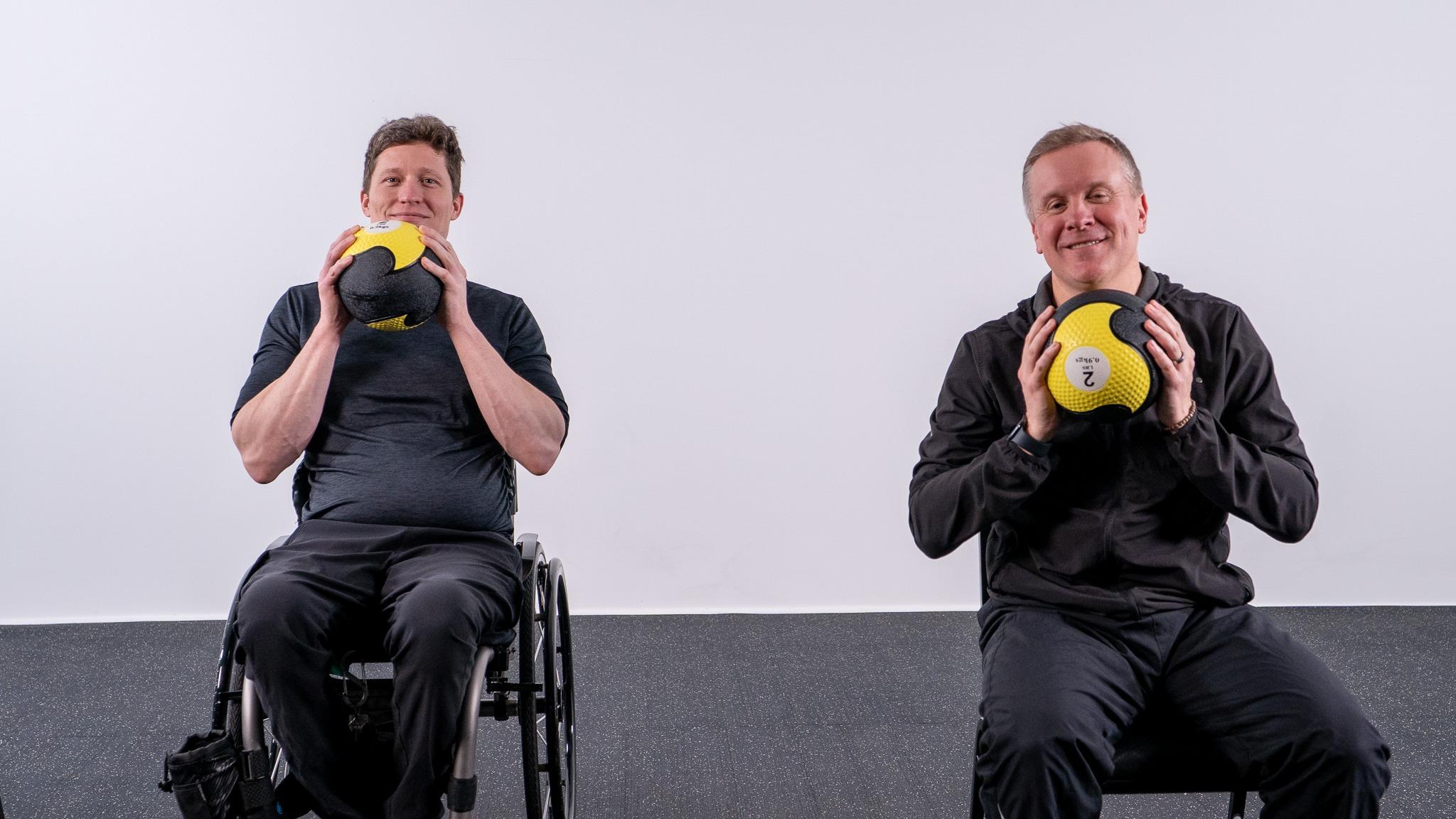
This spring, the YMCA of Pierce and Kitsap Counties is launching a new adaptive fitness series on YMCA360, a digital platform that provides on-demand and live streaming classes and programs. The series features local adaptive athlete Jake Freeland and is designed to make movement more accessible for members with physical disabilities or anyone who benefits from adaptive workout options.
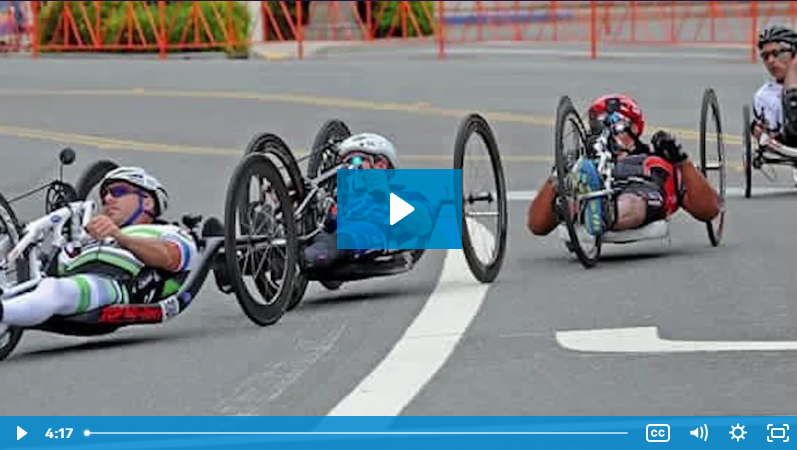
Jake was in a motorcycle accident that left him paralyzed. During his recovery, he was introduced to handcycling by a paraplegic athlete. The sport quickly became a major part of his life. Jake went on to race for ten years across the United States and parts of Europe before retiring in 2018.
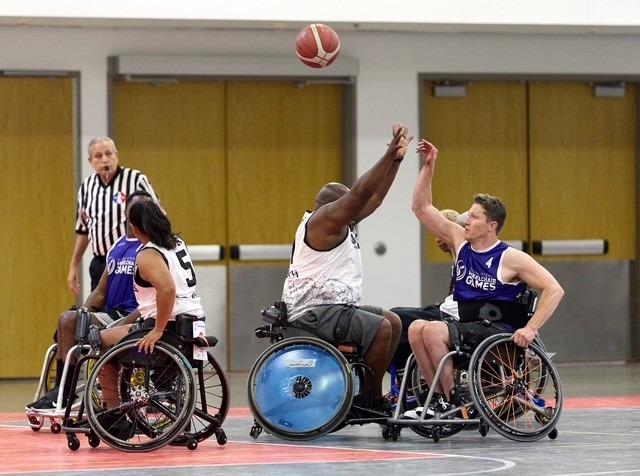
For a while, he felt lost without that outlet. That changed when he discovered wheelchair basketball. Unlike racing, the sport gave him something he’d been missing: a team. Today, basketball keeps him training, competing, and connected to a squad again.
“This project means a lot to me because I want to give others support and motivation to stay active,” Jake said. “Dealing with disabilities is hard. Exercise and sports can make a world of difference to your physical and mental well-being. I’m hoping these workouts help people find their sport or their thing that keeps them moving.”
Adaptive fitness isn’t about lowering expectations. It’s about recognizing that not every body moves in the same way, and that traditional fitness spaces aren’t always designed with that in mind. Equipment might not be accessible. Class pacing may move too quickly. For some individuals, the hardest part is simply knowing how to begin safely.
These YMCA360 workouts are structured to remove some of those barriers. The videos include strength training, mobility work, and functional moving patterns that support independence and overall health. Each workout allows participants to move at their own pace, with built in options that can be adjusted based on comfort and ability.
Annie Doyle, Virtual Experience Director, shared, “Strength training is especially important for people with physical disabilities because it supports stability, independence, and long-term health. Through YMCA360, we can make that kind of training more accessible and inclusive for people wherever they are.”
Virtual programming plays an important role in this effort. It allows members to move in their own homes, on their own schedules, without transportation challenges or environmental barriers. For someone navigating mobility limitations, that flexibility can make all the difference.
It also reinforces a simple message: you belong here.
By highlighting a local athlete who continues to pursue strength, competition, and community, this series helps expand what participation can look like. It reflects an ongoing effort to make our programs more inclusive and responsive to different needs.
Fitness doesn't look the same for everyone, and it shouldn't have to. Through adaptive programming on YMCA360, we're beginning to create more ways for members to build strength, improve mobility and stay connected to their health in ways that work for them.
If you visit one of our centers and are interested in leaning more about how equipment can be adjusted or how to get started, our staff are here to help. Connect with a team member so we can support you in finding options that feel safe and accessible.