
When people think about protecting brain health, they often focus on physical activity, nutrition, sleep, or mentally stimulating activities. While all of these are important, one factor is sometimes overlooked: social connection.
Social isolation and loneliness have become growing public health concerns, particularly among older adults. Life transitions such as retirement, the loss of a spouse or friends, health challenges, or limited mobility can make it more difficult to stay connected to others. Over time, those changes can have a significant impact on overall well-being.
Research has linked social isolation to increased risk of depression, anxiety, heart disease, and cognitive decline. While occasional solitude is a normal part of life, long-term isolation can reduce opportunities for meaningful interaction, engagement, and support.
EXPLORE MORE ABOUT MANAGING A HEALTH CONDITION
Why Connection Matters for Cognitive Health
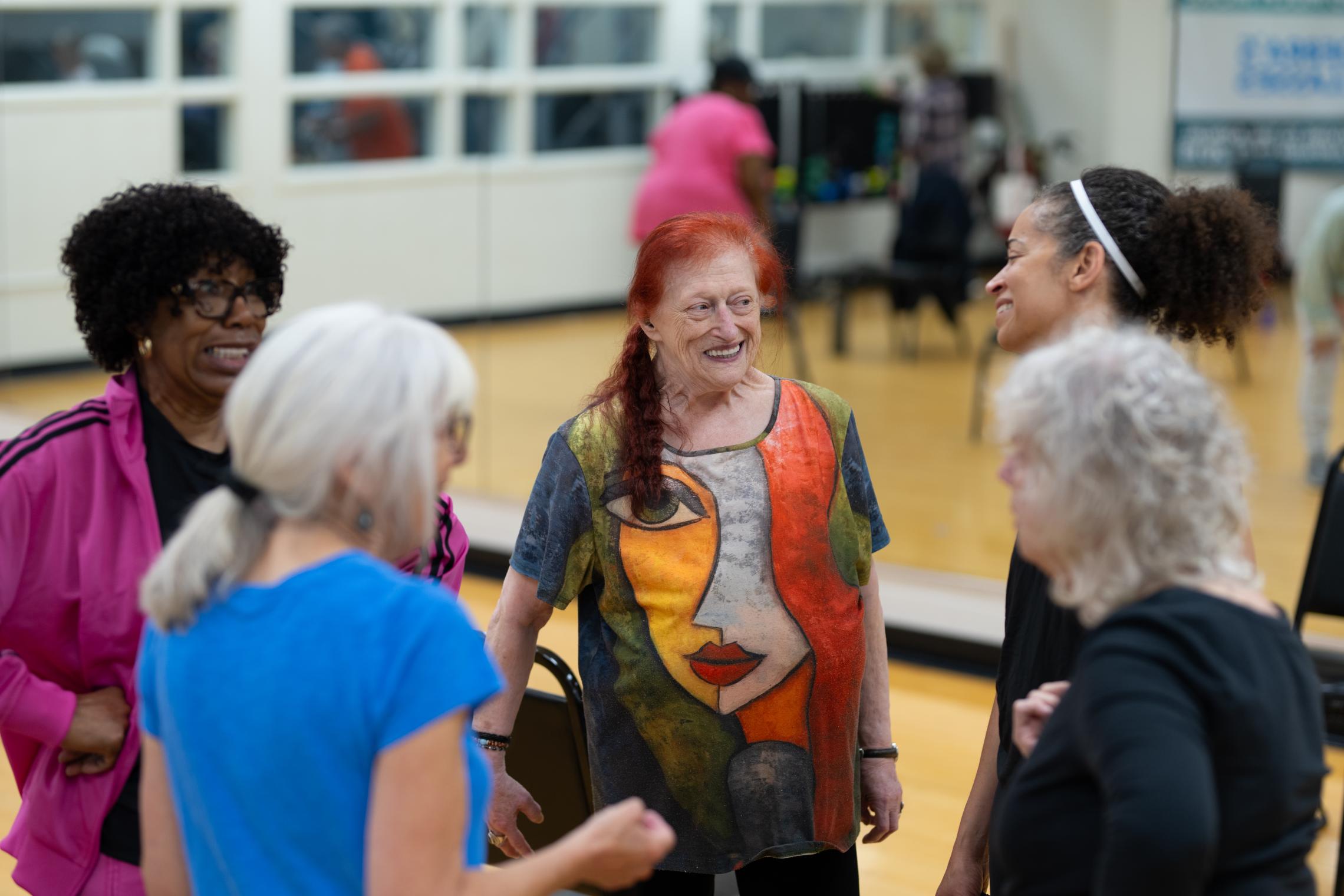
Human connection helps keep our minds active in ways we may not always recognize.
Conversations, shared experiences, learning new skills, and participating in group activities all require the brain to process information, communicate, problem solve, and build relationships. These everyday interactions can help support cognitive function while also reducing stress and improving emotional health.
“Start with an easy class and show up. Talk to the instructor. You’ll find more than exercise. You’ll find friends.” - Nancy, YMCA Active Older Adult
Connection can also encourage healthy habits. People who feel connected to a community are often more likely to stay physically active, maintain routines, and participate in activities that support their health.
While there is no single way to prevent Alzheimer’s disease or other forms of dementia, experts continue to emphasize the importance of a healthy lifestyle that includes physical activity, mental stimulation, and social engagement.
Creating Opportunities for Community
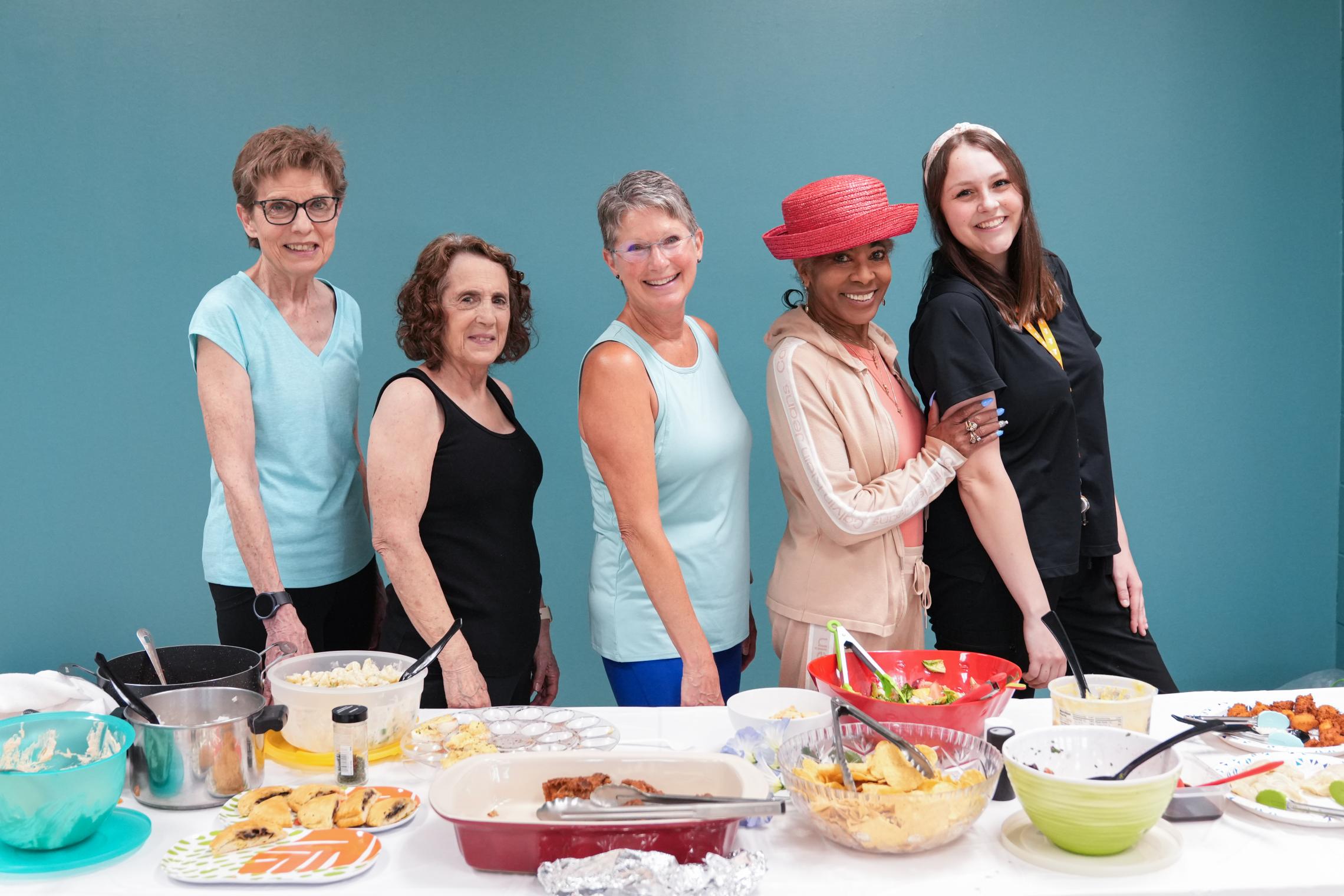
At the YMCA of Pierce and Kitsap Counties, creating opportunities for connection is an important part of supporting community health.
Group exercise classes bring people together around shared wellness goals while providing the added benefits of movement and physical activity. Whether members are participating in yoga, water fitness, cycling, strength training, or active older adult classes, they are also building relationships and finding encouragement from those around them.
Many members develop friendships through these programs, creating a sense of accountability and belonging that helps them stay engaged over time. The YMCA offers a variety of programs for managing a health condition, many of which focus on preventative health.
Beyond fitness, the YMCA offers a variety of programs and activities where people can connect with others, share experiences, and build supportive relationships. These opportunities can be especially meaningful for older adults looking to stay active and involved in their communities.
It’s important to remember that brain health is about more than any single habit. Staying physically active, challenging our minds, getting quality sleep, and maintaining social connections all play a role in supporting healthy aging.
Sometimes, one of the most important things we can do for our health is simply show up, join in, and stay connected.