
The fitness industry is always evolving, and in 2026 the changes are especially clear: people want fitness that supports their whole lives, not just their workouts. From functional strength training to wearable technology to advanced recovery options, people are approaching their health in more holistic and long-term ways.
According to Michael Marquez, Operations Director at the YMCA of Pierce and Kitsap Counties, those trends are actively shaping how Y programs, spaces, and support systems are designed to meet members where they are.
Strength Training is More Important Than Ever
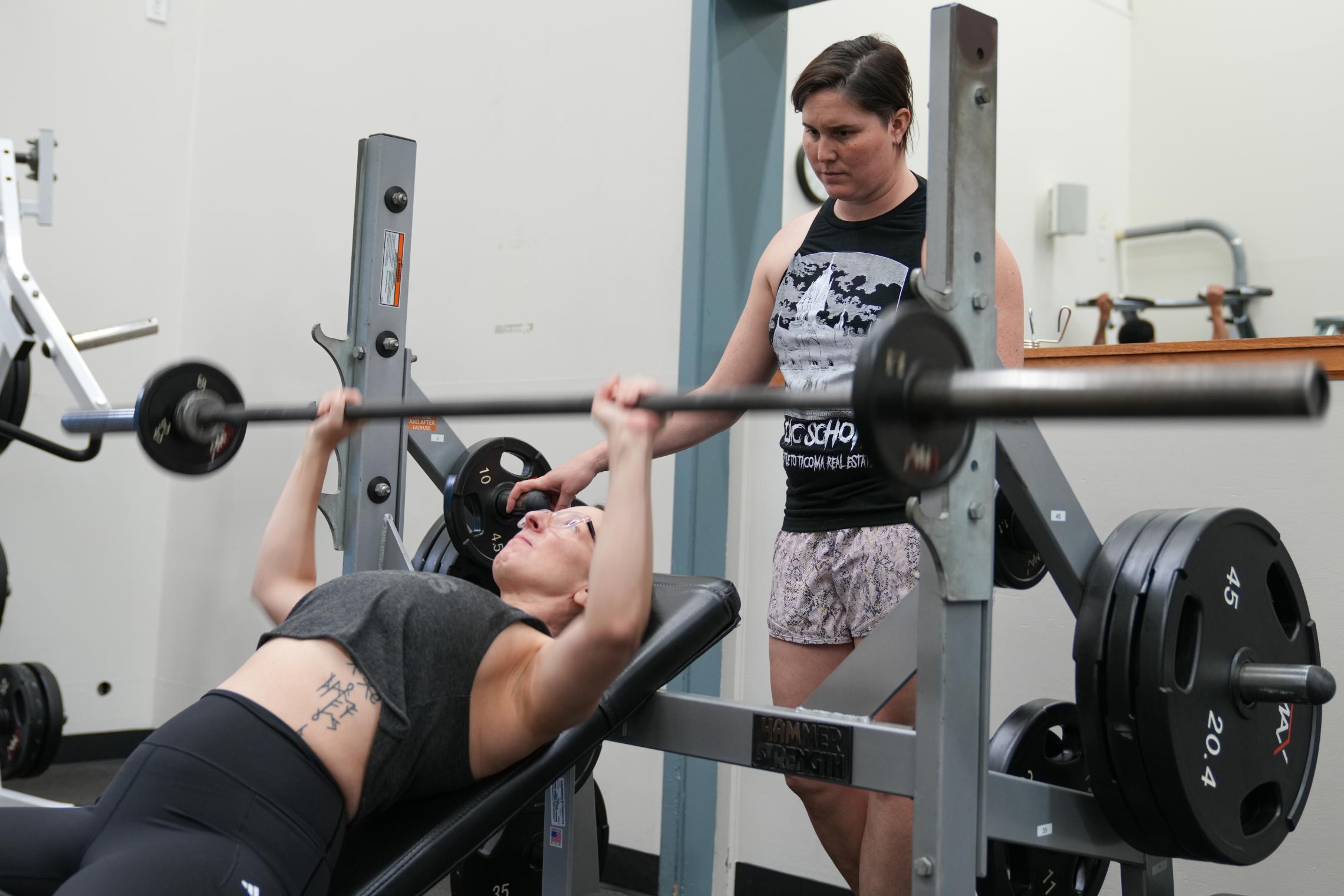
Marquez points to strength training as one of the most dominant trends right now. Across age groups, people are prioritizing building and maintaining muscle — not just for appearance, but for long-term health and quality of life.
He describes the current moment as an “iron era renaissance,” where demand for free weights and strength equipment demands to grow. In response, the Y has expanded and updated weight rooms across centers, adding more equipment and creating space for both beginners and experienced lifters.
But it’s not just about equipment. Marquez emphasizes that the Y is building out programming to match. Members can start out with a free Kickstart appointment, which includes basic movement assessments and guidance, then progress into small group training, intermediate lifting programs, or more advanced options like personal training or powerlifting events. The goal is to meet members at their level and help them move forward safely.
Using Technology to Support Long-Term Health
Wearable technology remains a major trend, but Marquez notes that the focus has shifted. Members aren’t just tracking workouts, but using data to better understand how their habits impact long-term health.
He sees this as an area where the Y is continuing to grow. As members bring in more data from watches and fitness trackers, staff are working to support them in turning that information into action. Whether that means adjusting intensity, improving consistency, or setting more meaningful goals, the opportunity is to make use of available data.
Recovery is No Longer Optional
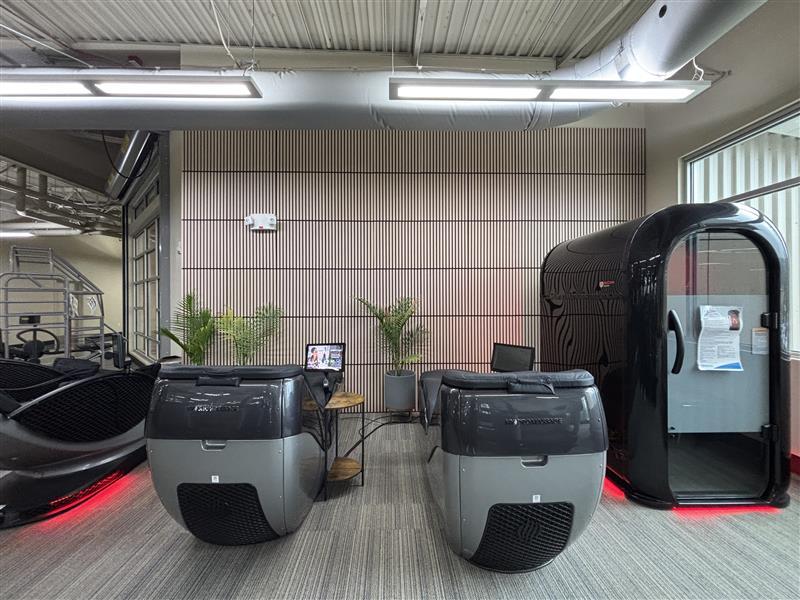
Another shift Marquez highlights is the growing importance of recovery. Fitness used to focus almost entirely on the workout itself. Over time, nutrition became part of the conversation. Now, recovery is increasingly recognized as an important part of supporting progress and preventing injury.
He explains that as people better understand how recovery supports progress, they begin to expect it as part of their fitness experience. To meet that growing interest, some YMCA locations have introduced recovery options like HydroMassage, CryoLounge chairs, and infrared sauna experiences. These tools, available at select branches, give members simple ways to take care of their bodies between workouts without adding complexity.
Fitness for Every Age and Ability
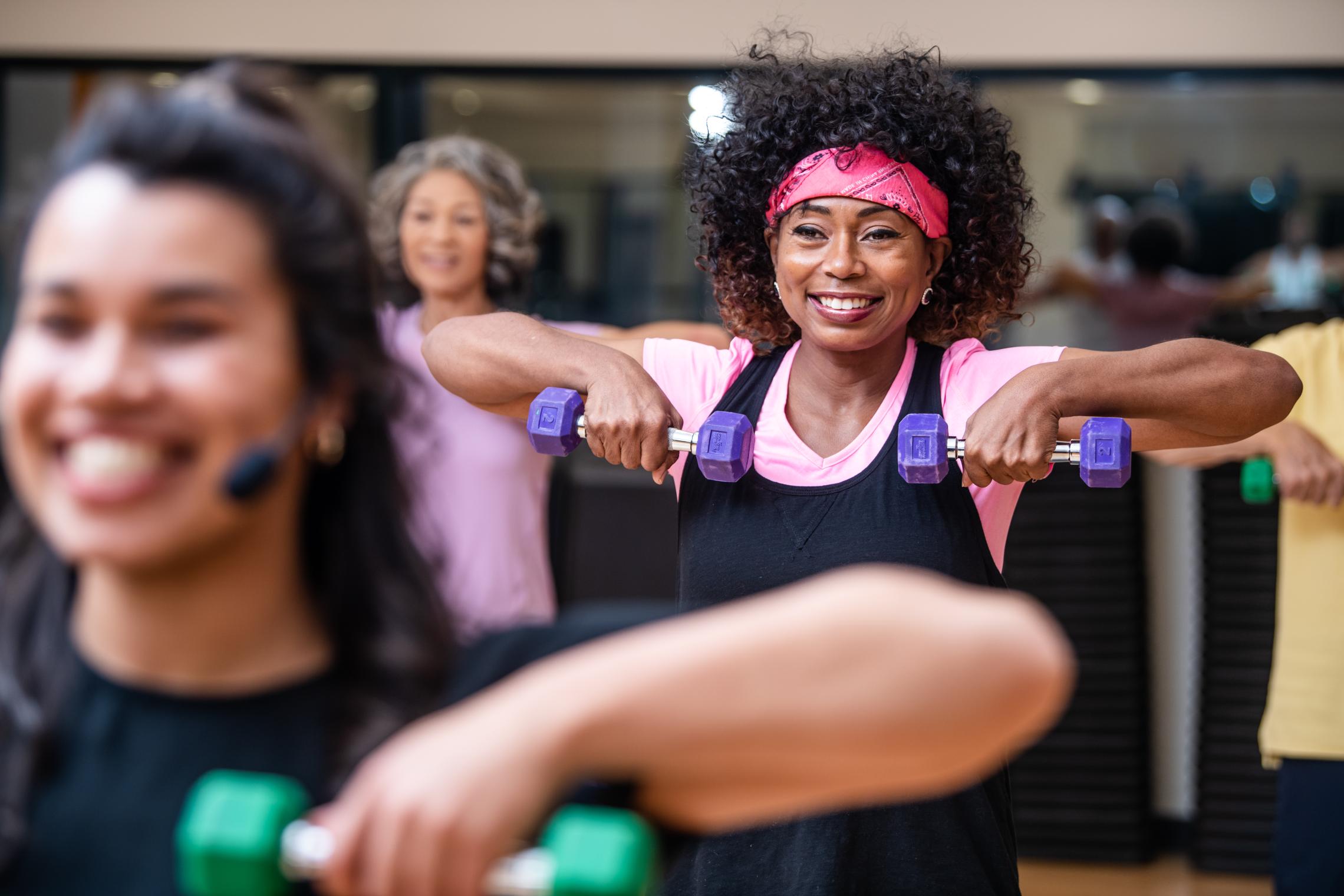
Marquez also points to a growing awareness around aging and fitness. Muscle mass naturally declines over time, making strength training essential for maintaining independence and quality of life.
That reality shapes how programs are designed. The Y is intentional about offering options for all ages and abilities, from beginner-friendly strength training to programs that support older adults and adaptive fitness. The goal isn’t to offer variety, but to create an environment where people feel confident starting and confident continuing.
Community Makes the Difference
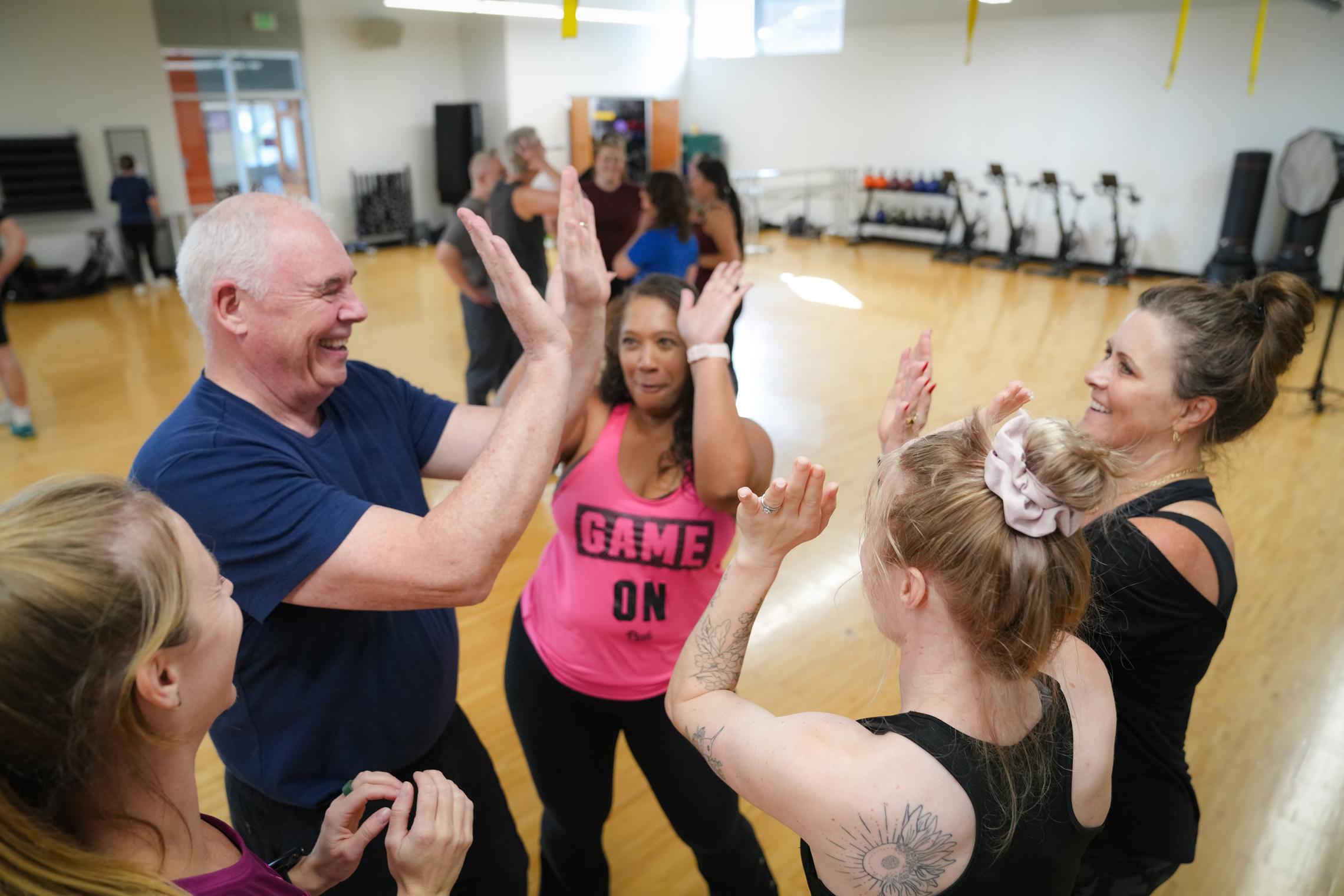
While trends like strength, technology, and recovery are important, Marquez is clear about what sets the YMCA apart. Community.
“For most people, it’s more fun to work out with someone,” he explains. That sense of connection builds accountability, reduces barriers, and helps people stay consistent over time.
At the Y, community is built into everything. Members have access to top-of-the-line equipment as well as support, encouragement, and a sense of belonging that keeps them coming back.
Getting Started
For anyone who has not been active for a while, Marquez offers simple advice: Everyone starts somewhere, and YMCA staff can help overcome the intimidation.
YMCA staff are there to help members explore options, answer questions, and find a starting point that feels right. Whether that means trying a new class, meeting with a trainer, or simply stepping into the weight room for the first time, support is always available.
As fitness trends continue to evolve, one thing remains consistent: The YMCA is focused on helping people build strength, improve health, and stay connected for the long run.